
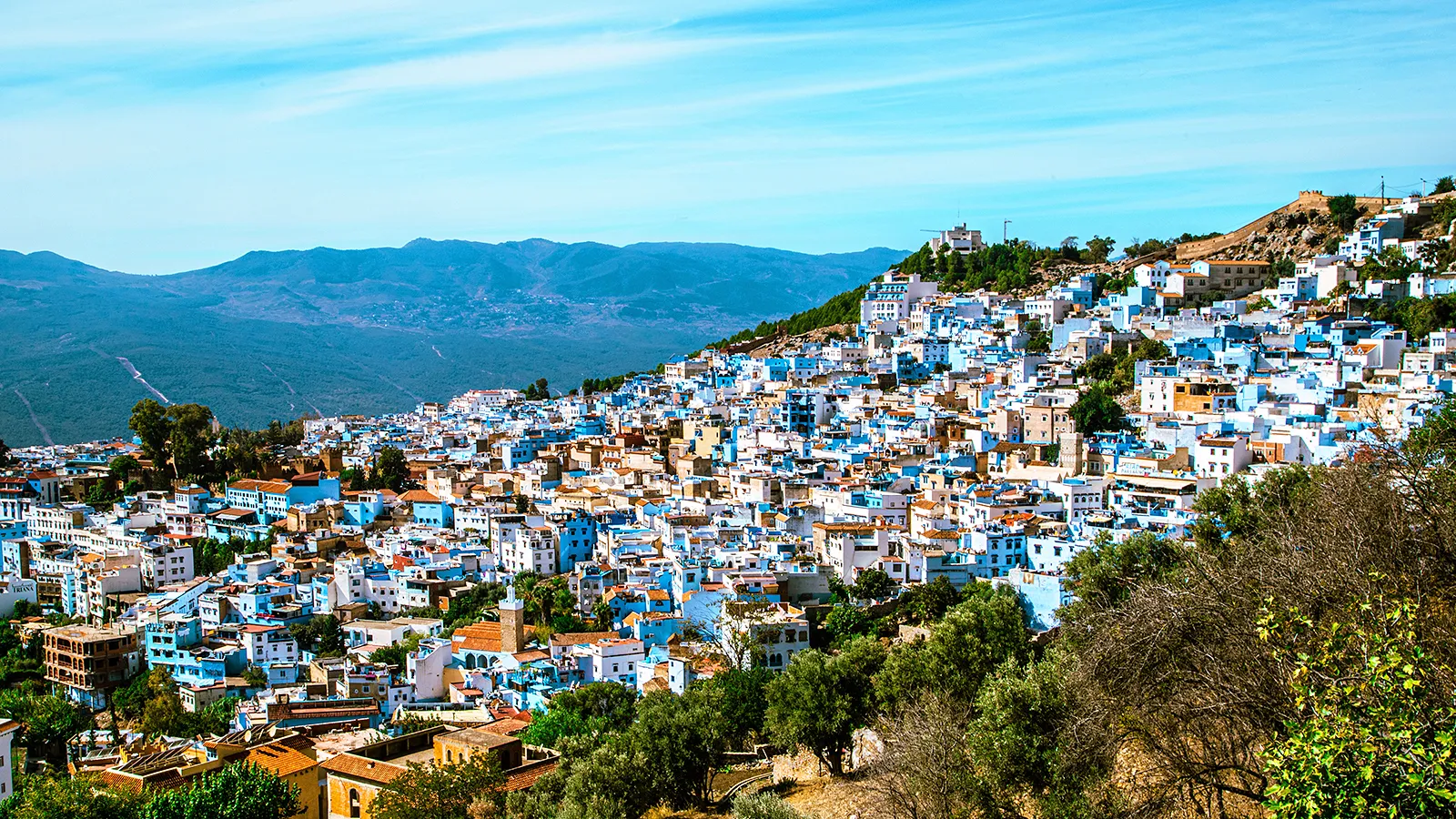
Morocco has transformed into one of the world’s most accessible yet authentic cultural destinations, where ancient traditions coexist with modern infrastructure, creating optimal conditions for meaningful travel experiences accessible to diverse traveler demographics and preferences. Unlike many popularized destinations that have sacrificed authenticity for tourism convenience, Morocco maintains genuine cultural character while providing the accommodation, transportation, and service standards that contemporary travelers expect. This unique combination, authentic medieval medinas functioning as living communities rather than museum exhibits, traditional souks where commerce continues unchanged for centuries, mountain villages maintaining ancestral practices, and desert communities preserving nomadic heritage creates Morocco tours that deliver genuine immersion rather than merely curated tourism performances.
Why Morocco Tours Resonate Globally
Morocco’s appeal transcends typical tourism attractions. The kingdom attracts travelers seeking cultural authenticity, spiritual transformation, photographic inspiration, culinary adventure, and genuine human connectionexperiences increasingly difficult to find in heavily commercialized destinations. The country’s geographic position at the intersection of Africa, Europe, and the Mediterranean creates cultural complexity where Berber, Arab, French, and Spanish influences blend into distinctive Moroccan character.
The accessibility factor proves equally significant. Morocco welcomes international visitors warmly through established tourism infrastructure, English-speaking guides in major destinations, straightforward visa processes for most nationalities, and reasonable pricing making extended travels financially feasible. The combination of accessibility with authenticity remains rare globallymany easily-reached destinations sacrifice cultural genuineness for tourism convenience, while truly authentic destinations challenge travelers through difficult logistics or limited services. Morocco achieves both relatively equally.
Understanding Morocco’s Regional Diversity
Morocco’s compact geography belies extraordinary regional diversity that transforms the country from a single destination into multiple distinct experiences. Understanding these regional variations enables strategic tour structuring maximizing exposure to Morocco’s full character.
The Red Cities: Marrakech and Meknes
Marrakech and Meknes represent Morocco’s tourism heart, with Marrakech particularly drawing international visitors through its iconic Jemaa el-Fnaa square, vibrant medina energy, and convenient airport access. The city pulses with contemporary vitalitystreet musicians, food vendors, crafts people, and crowds creating sensory-rich environments that define Moroccan urban culture.
Meknes, though less internationally famous, offers similar medina experiences with substantially fewer tourists, enabling more authentic interactions and less commercialized shopping. The imperial city’s Spanish-Moorish influences create architectural distinctiveness compared to other Moroccan medinas.
Imperial Fes: Morocco’s Spiritual Heart
Fes holds unique significance as Morocco’s oldest imperial city and arguably Africa’s most authentic medieval urban environment. The UNESCO-listed medina contains 9,000+ narrow alleyways functioning as a car-free living community rather than preserved historical site. Navigating Fes requires guidesthe labyrinthine passages defeat even experienced travelersyet this complexity creates genuine exploration experiences where tourists remain outsiders within functioning communities rather than mainstreamed attractions.
Fes represents Morocco tours at their most culturally immersive and challenging, rewarding travelers willing to embrace sensory overwhelm and navigate unfamiliar social contexts with respect and curiosity.
The Sacred Valley: Agricultural and Cultural Heartland
Between imperial cities and the desert lies the Sacred Valley, where terraced agriculture, traditional markets, and Berber communities maintain ancestral practices with minimal tourism infrastructure. Towns like Ollantaytambo and Urubamba serve as gateways to cultural experiences unavailable in major tourist centers/homestays with local families, participation in traditional agriculture, engagement with artisan textiles and handicrafts produced using centuries-old techniques.
This region appeals particularly to travelers prioritizing cultural immersion over comfort, seeking authentic engagement rather than curated tourism performances.
The Sahara: Spiritual Transformation
Desert experiences ranging from convenient Agafay (30 kilometers from Marrakech) to classic Sahara explorations represent Morocco tours’ most transformative component. The Sahara’s silence, space, and stellar clarity create psychological experiences where disconnection from modern stimulation enables reflection and presence.
Desert tours range from simple overnight camel-trekking excursions to comprehensive 4-5 day expeditions, accommodating varied time availability and adventure tolerance. The common element across all desert experiences involves psychological resettravelers leave seeking escape, find profound silence and vastness, and return with altered perspective and renewed groundedness.
Coastal Essaouira: Atlantic Charm
Essaouira’s whitewashed buildings, artistic community, fresh seafood, and Atlantic beaches create coastal contrast to Marrakech’s desert proximity. The town attracts creative professionals, offering gallery spaces, creative accommodations, and alternative culture unavailable in more traditional destinations.
Strategic Tour Structuring: Creating Coherent Experiences
Rather than maximizing destination quantity, best Morocco tours structure itineraries creating coherent narrative and allowing authentic engagement. Strategic approaches include:
The Imperial Circuit: Focusing exclusively on Marrakech, Fes, and Meknes over 8-10 days enables deep medina exploration, multiple visits to sites warranting extended attention, and pace allowing genuine relationship development with guides and locations.
Cultural Immersion Focus: Allocating time to Sacred Valley homestays, traditional markets, and mountain villages prioritizes engagement over sightseeing, creating meaningful cultural exchanges rather than merely witnessing communities.
Desert-Centric Journeys: Structuring tours around desert experiences with supporting city exploration enables psychological immersion in landscape transformation from urban bustle to desert silence to coastal charmcreating juxtapositions that illuminate each experience through contrast.
Culinary-Focused Tours: Emphasizing Moroccan cooking traditions through cooking classes, market tours, restaurant meals at various price points, and engagement with food culture creates understanding of Morocco through its distinctive cuisine.
Practical Realities and Preparation Essentials
Successful Morocco tours require realistic expectations and thoughtful preparation. The country’s developmental level differs from Western nationsplumbing occasionally proves temperamental, roads sometimes lack infrastructure, and service expectations require calibration. Yet these “challenges” often create memorable authenticity that sanitized destinations cannot provide.
Essential preparation includes currency exchange (Moroccan dirhams), language basics (French or Arabic phrases enhance interactions), health precautions (vaccinations, traveler’s insurance), cultural sensitivity regarding photography and customs, and flexible mindset accommodating unexpected changes. Tours operating smoothly rarely create memorable stories, rather, unexpected encounters, spontaneous detours, and navigation challenges through unfamiliar contexts create narratives that resonate long after visits conclude.
Seasonal Strategies and Timing
Spring (March-May) and autumn (September-November) provide optimal conditions across all regions. Summer enables excellent coastal and mountain experiences but brings extreme inland heat. Winter offers perfect city weather but cold mountain/desert nights. Rather than seeking a single optimal season, choosing timing matching specific interests maximizes alignment between weather conditions and desired activities.
Conclusion
Morocco tours deliver increasingly rare experiences combining cultural authenticity, geographic diversity, accessibility, and transformative potential within compact geography. The country rewards travelers seeking genuine engagement over superficial sightseeing, curious about cultures different from their own, and willing to embrace unpredictability as part of travel’s appeal.
The evolution of Morocco tourism from neglected destination to sophisticated travel hub reflects the country’s ability to balance modernization with cultural preservation, welcoming international visitors while maintaining distinctive character and traditions.
Key Takeaways
Morocco’s Appeal Lies in Authentic Cultural Immersion Rather Than Tourism Spectacle Unlike heavily commercialized destinations sacrificing authenticity for tourist convenience, Morocco maintains genuinely functioning medinas where communities live rather than perform tourism. This authentic character distinguishes Morocco from destinations where culture has been packaged into consumable products.
Regional Diversity Requires Strategic Itinerary Structuring Morocco’s imperial cities, Sacred Valley cultural experiences, Sahara Desert transformations, and Atlantic coastal charm create multiple distinct destinations requiring 8-14 days for meaningful exploration. Rushing through regions prevents authentic engagement that characterizes best Morocco experiences.
Accessibility with Authenticity Remains Globally Rare Morocco combines established tourism infrastructure, English-speaking guides, convenient transportation, and reasonable pricing with preserved cultural authenticitya combination missing from most easily-accessed destinations where tourism commodification compromises cultural integrity.
Desert Experiences Provide Psychological Transformation Beyond Physical Adventure The Sahara’s silence, space, and stellar displays create psychological experiences where disconnection from modern stimulation enables reflection and perspective shifts. Desert components shouldn’t be optional additions but central tour elements for maximum impact.
Slower Pacing Creates Better Cultural Connection Rather than maximizing destination quantity, focusing on fewer locations with extended time enables genuine relationship development with guides, deeper medina understanding, and engagement with communities beyond surface-level tourism interactions. Quality immersion beats quantity sightseeing.
Flexibility and Openness Generate Most Memorable Experiences Planned itineraries provide structure but unexpected encounters, spontaneous detours, and navigation challenges through unfamiliar contexts create stories and memories that predetermined schedules cannot guarantee. Morocco rewards travelers embracing unpredictability as travel’s essential element.