
Introduction
The Langtang Gosaikunda Trek is one of the most rewarding mid-length treks in Nepal. It combines two very different landscapes in a single journey. The first half follows the Langtang Valley, a glacial corridor of yak pastures, rhododendron forest, and Tamang villages beneath snow-capped peaks. The second half climbs to the alpine lakes of Gosaikunda, one of the holiest sites in the Nepali Himalaya.
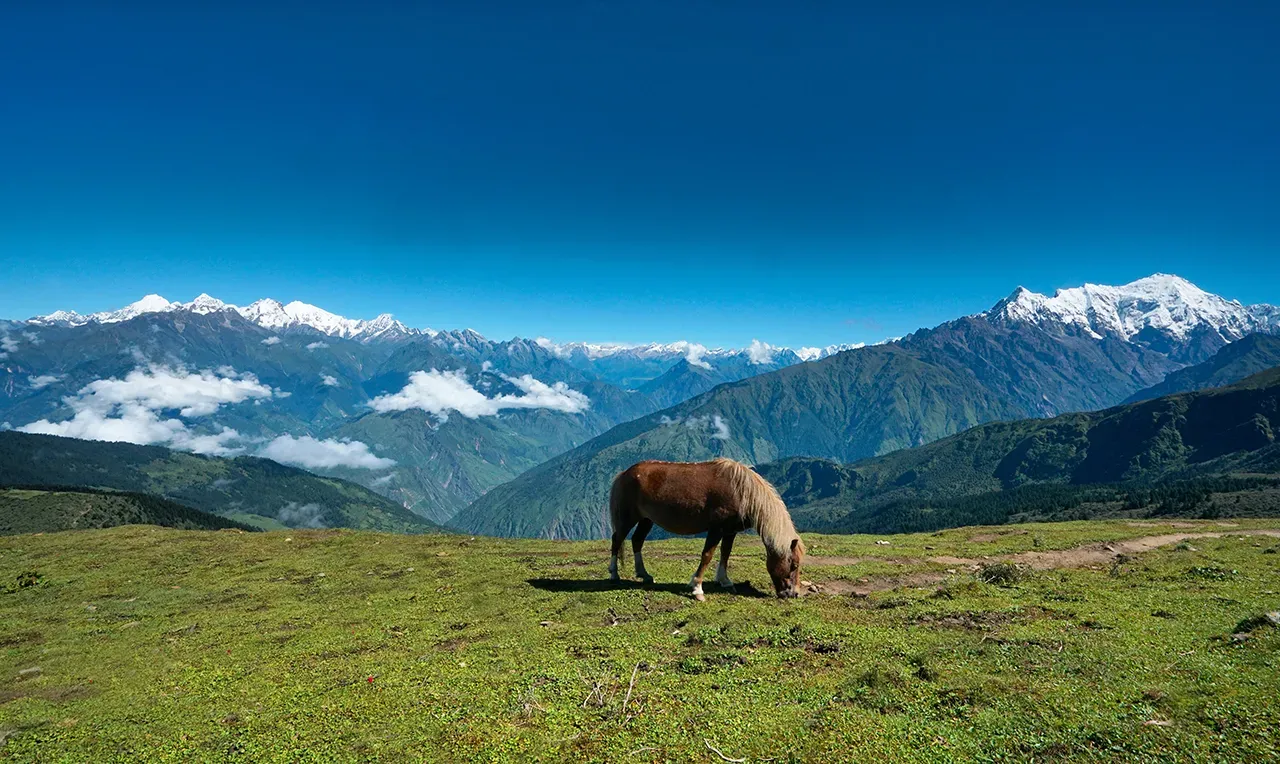
The route is close to Kathmandu, so you reach the trailhead in a day’s drive. It is also demanding enough to feel like a real expedition, without the technical difficulty or remoteness of treks such as Manaslu or Dolpo. Whether it is your first Himalayan trek or your fifth, this guide covers what you need to plan it well.
Overview of the Trek
The route starts at Syabrubesi, travels up the Langtang Valley to Kyanjin Gompa, then returns down-valley and crosses over to the Gosaikunda lakes. It finishes at Dhunche or Thulo Syabru, with a drive back to Kathmandu.
|
Detail |
Information |
|
Region |
Langtang National Park, Bagmati Province |
|
Duration |
9 to 12 days (typical) |
|
Highest point |
Laurebina Pass, about 4,610 m (Kyanjin Ri, about 4,773 m, is an optional side climb) |
|
Gosaikunda altitude |
About 4,380 m |
|
Difficulty |
Moderate to challenging |
|
Start / end |
Syabrubesi / Dhunche or Thulo Syabru |
|
Accommodation |
Tea houses |
Figures vary slightly between sources and itineraries, so treat them as close approximations.
Why Choose the Langtang Gosaikunda Trek?
Accessibility. The drive from Kathmandu to Syabrubesi takes roughly 7 to 9 hours, depending on road conditions. You do not need a flight to a remote airstrip.
Two treks in one. Few routes give you a classic glacial valley and a high alpine lake system in one itinerary.
Cultural depth. Langtang is home to Tamang communities with Tibetan-influenced Buddhist traditions. Gosaikunda is a pilgrimage site for Hindus and Buddhists alike.
Resilience and recovery. The 2015 earthquake devastated Langtang village. The valley has since been rebuilt, and the lodges, memorials, and the warmth of local hosts give the trek a meaningful backdrop.
Detailed Itinerary
Most operators and independent trekkers follow a version of this plan. You can shorten it by skipping Kyanjin Ri or extend it with acclimatization days.
Day 1: Kathmandu to Syabrubesi (about 1,550 m)
The drive climbs through terraced hills, past Trishuli River valleys, and into the mountains. The final stretch can be rough, so start early. Overnight in Syabrubesi.
Day 2: Syabrubesi to Lama Hotel (about 2,470 m)
The trail follows the Langtang Khola through dense forest of oak, rhododendron, and bamboo. Langur monkeys and, with luck, red pandas live in this habitat. Expect a steady climb of five to six hours.
Day 3: Lama Hotel to Langtang Village (about 3,430 m)
The forest thins and the valley opens into wide alpine terrain. Views of Langtang Lirung (7,227 m) start to dominate. Langtang Village, rebuilt after 2015, makes a good place to start acclimatizing.
Day 4: Langtang Village to Kyanjin Gompa (about 3,870 m)
A shorter day past chortens, mani walls, and yak pastures. You reach Kyanjin Gompa early enough to rest, visit the monastery, and try the local cheese factory.
Day 5: Acclimatization and Kyanjin Ri
Rest here or climb Kyanjin Ri (about 4,773 m) for sweeping views of Langtang Lirung, Yala Peak, and the Tibetan border ranges. This is the best acclimatization investment on the route, because the Gosaikunda section gains altitude quickly.
Day 6: Kyanjin Gompa to Lama Hotel
Retrace your steps down-valley. The descent is fast, and the scenery looks different facing the other direction.
Day 7: Lama Hotel to Thulo Syabru (about 2,210 m)
Leave the main valley and climb to the ridge-top Tamang village of Thulo Syabru, with views across the Trishuli side and towards the Ganesh Himal.
Day 8: Thulo Syabru to Sing Gompa (about 3,250 m)
A steady uphill through forest to Sing Gompa, known for its cheese factory and quiet monastery. On clear evenings, the views are superb.
Day 9: Sing Gompa to Gosaikunda (about 4,380 m)
This is a demanding day. You climb above the tree line to the first of the sacred lakes. The altitude gain is significant, so go slowly and drink plenty of water. Overnight at Gosaikunda.
Day 10: Gosaikunda to Dhunche via Laurebina Pass
Cross Laurebina Pass (about 4,610 m), passing Saraswati Kunda, Bhairav Kunda, and other smaller lakes. Then descend steeply to Ghopte, Tharepati-side trails, or down towards Dhunche, depending on your route. Trekkers often finish in Dhunche or return via Thulo Syabru.
Day 11: Dhunche to Kathmandu
A scenic drive back, closing the loop.
Cultural and Spiritual Significance of Gosaikunda
Gosaikunda is revered in Hindu tradition as the place where Lord Shiva created the lake by striking the ground with his trident to relieve the burning of poison he had swallowed. Each year, thousands of pilgrims gather during the Janai Purnima festival, usually in August, to bathe in the waters and pay their respects.
If you visit during this time, expect crowded trails and busy lodges, but also a rare opportunity to witness living tradition at altitude. Out of festival season, the lakes are quiet, still, and often frozen at the edges.
Best Time to Do the Langtang Gosaikunda Trek
Spring (March to May). Rhododendrons bloom across the lower slopes, the days are mild, and mountain views are generally clear. This is one of the two peak seasons.
Autumn (late September to November). Stable weather and crisp, clear skies make this the most popular window. Visibility is excellent, and daytime temperatures are comfortable.
Winter (December to February). Possible but cold. Snow can close the Laurebina Pass, so this is best left to experienced trekkers with flexible schedules.
Monsoon (June to August). The valley is lush but wet, with leeches, landslides, and cloudy views. Gosaikunda pilgrims do trek at this time, but it is not ideal for scenery.
Permits and Costs
You will typically need a Langtang National Park entry permit and a local or municipal trekking permit. Permit systems, fees, and requirements in Nepal change from time to time, so confirm current rules with a registered trekking agency or the Nepal Tourism Board before you travel.
Budget for transport, tea house meals and rooms, permits, a guide or porter if you hire one, and travel insurance that covers trekking at altitude. Independent trekkers often spend less than those on fully organized packages, but a guide adds safety and local knowledge.
Difficulty and Altitude Safety
The trek is rated moderate to challenging. Daily walking is usually five to seven hours, with steady ascents. The main risk is not technical terrain but altitude. Gosaikunda sits above 4,300 m, and the climb there from Sing Gompa is significant.
To reduce the risk of altitude sickness:
-
Follow the principle of “climb high, sleep low.”
-
Take the Kyanjin Gompa acclimatization day seriously.
-
Drink plenty of fluids and eat regularly, even if your appetite drops.
-
Avoid alcohol at altitude.
-
Know the symptoms: persistent headache, nausea, dizziness, or unusual fatigue.
-
If symptoms worsen, descend. Do not gamble with altitude illness.
Good physical preparation helps. Start training six to eight weeks ahead with hiking, stair climbing, and cardiovascular work.
What to Pack
-
Layers: moisture-wicking base layers, a fleece or insulated mid-layer, and a warm down jacket.
-
Shell: a waterproof, breathable jacket and trousers.
-
Footwear: broken-in trekking boots, plus camp shoes and warm socks.
-
Sleep system: a sleeping bag rated for low temperatures (many lodges provide blankets, but a bag is safer at Gosaikunda).
-
Accessories: sun hat, warm hat, gloves, sunglasses, and high-SPF sunscreen.
-
Gear: trekking poles, headlamp, water bottles or a hydration system, and a water purification method.
-
Essentials: a basic first-aid kit, personal medications, power bank, and copies of your documents.
Pack light. A porter or your own back will thank you.
Tips for a Responsible and Enjoyable Trek
-
Respect local customs. Walk clockwise around chortens and mani walls, and ask before photographing people.
-
Reduce waste. Carry a refillable bottle and pack out non-biodegradable rubbish.
-
Support the local economy. Eat and sleep in tea houses, and buy local products.
-
Stay flexible. Weather and trail conditions can change quickly, so build a spare day into your plan.
-
Travel insured. Choose a policy that covers helicopter evacuation and high-altitude trekking.
Conclusion
The Langtang Gosaikunda Trek rewards those who want both scenery and substance. You walk through forests alive with wildlife, climb to a glacial valley framed by giants, and finish at sacred lakes that have drawn pilgrims for centuries. It is close enough to Kathmandu to be practical, and varied enough to feel like a full Himalayan journey.
With sensible acclimatization, the right season, and respect for the land and its people, this trek is achievable for most fit and well-prepared walkers. Start planning early, confirm your permits and insurance, and go at a pace that lets the mountains speak for themselves.